> For the complete documentation index, see [llms.txt](https://docs.ifreeq.com/llms.txt). Markdown versions of documentation pages are available by appending `.md` to page URLs; this page is available as [Markdown](https://docs.ifreeq.com/developer/configure-in-platform/cloud-configuration/manage-alarms.md).
# Manage Alarms
## Overview
Alarms are a type of product notifications. The Tuya Smart platform allows you to specify product alarm conditions for real-time monitoring of product status. If the value of a function exceeds the allowed range or some real-time information about a running product needs to be sent to users, the Tuya Smart App immediately notifies the users, ensuring proper running of the product.
## Procedure
Step 1: Log in to the Tuya Smart platform, click **Product**, and select a product to configure. On the displayed page, click **Cloud Configuration**.

Step 2: Click **Settings** next to **Alarms Management**.

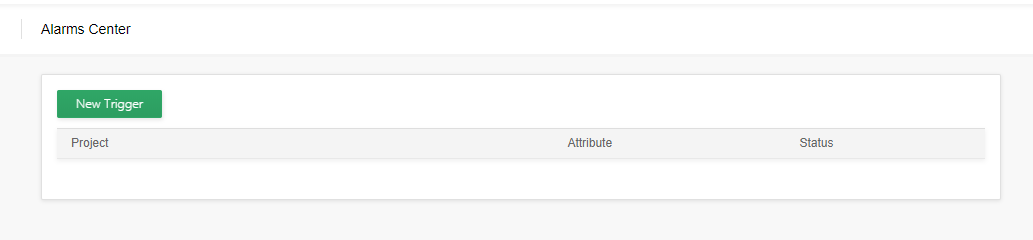
Step 3: Click **New Trigger**. On the displayed page, specify the alarm name and content, and set the triggering method and mode, alarm severity, notified target, and alarm method.


Step 4: To configure an alarm in a language other than Chinese or English, click **More languages**. Confirm your alarm settings and wait for Tuya’s review. The alarm takes effect immediately after Tuya approves it. Users will receive an alarm message when the triggering condition is met.
